Paris Museum Pass and Paris transport card tickets
Compare the main options side by side, understand what is actually included, and choose the Paris card strategy that matches your route, budget, and sightseeing style.
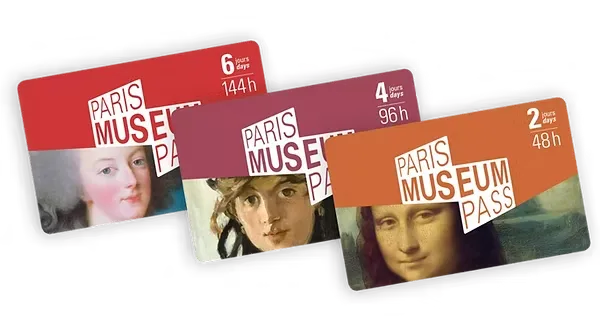
About Paris museum passes and transport cards
The Paris Museum Pass is usually chosen by travelers who want dense days built around major museums and monuments, especially if they are determined to visit several included sites within two, four, or six days.
Paris transport cards solve a different problem: they reduce friction. Instead of calculating each ride, you can move through the city with far more confidence, which matters more in Paris than many first-time visitors expect.
Products such as Navigo Easy, Navigo Decouverte, and Paris Visite differ in structure, convenience, and zone logic. The best one depends on how long you stay, whether you need airport or outer-zone travel, and how much simplicity you want.
The strongest setup is often not a single magic card. It is a combination chosen with intention: maybe a museum pass for a monument-heavy stretch, paired with a transport card that keeps the city fluid around it.
Use this guide to compare realistic Paris scenarios, such as a culture-packed weekend, a first visit centered on classic highlights, or a slower week where neighborhoods, cafes, and spontaneous detours matter as much as headline monuments.
Visit Options
Pick the Paris card strategy that fits your plans
Visit Options
Pick the Paris card strategy that fits your plans
Paris Museum Pass
Get access to multiple top museums and monuments in Paris with one convenient sightseeing pass.
Paris City Card
Bundle major attractions and useful perks in one digital city card for an easy Paris trip.

The Paris Pass Plus
Choose an all-in-one Paris sightseeing pass that covers major attractions and added extras.
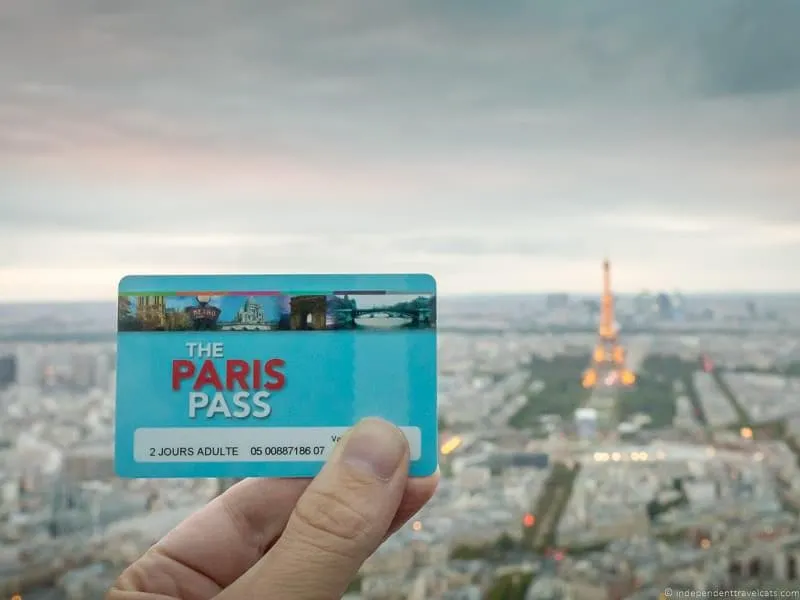
Go City Paris: Explorer Pass
Pick the number of attractions you want and explore Paris at your own pace with a flexible pass.
Paris: Top 3 Museums
Visit three of Paris' standout museums with one convenient package for art lovers.

Paris-Seine Pass
Combine Seine experiences and Paris highlights in one package built around the city's river views.


Why book online?
Booking online gives you time to compare Paris Museum Pass options with transport cards calmly, instead of trying to decode zones, inclusions, and reservation rules while standing in a station or museum line.
You can map your highest-priority sites first, check which ones still need a timed slot, and avoid paying for features you are unlikely to use. In Paris, that kind of clarity is often worth almost as much as the discount itself.
With mobile confirmations, saved screenshots, and a clearer day-by-day plan, your first morning in Paris tends to feel lighter. You step into the city with intent rather than with five browser tabs open and no real answer.
What to expect when using Paris museum and transport cards
A smart Paris card setup does not make the city smaller, but it does make it feel more manageable. Here is what that often looks like in practice:
You might begin with a metro ride to the Louvre or another major monument, already knowing whether your museum pass covers entry and whether you still need a timed reservation. After that first visit, the day usually opens up. You cross the river for lunch, decide on a second museum because the weather turned gray, or detour into a neighborhood market because your transport is already taken care of. Paris feels best when plans are solid enough to remove stress but loose enough to allow mood and weather to shape the day.
Later, perhaps after the Musee d'Orsay or the Pantheon, you hop back onto the metro or bus with no need to queue again. That small absence of friction changes the tone of the trip. You are not negotiating every move. You are simply moving. By evening, the practical benefit of the right card becomes emotional as well: less fatigue, less doubt, and more attention for the details that make Paris memorable, such as a glowing bridge at dusk, a side street cafe, or a sudden view down a quiet stone lane.
Location & Opening Hours
- Paris, France - Louvre, Ile de la Cite, Left Bank, Montmartre and beyond
- From Chatelet-Les Halles: this is one of the most useful starting hubs in Paris, with fast links across the metro and RER network and easy reach to the Louvre, Ile de la Cite, Le Marais, and the Seine-side museum core.
- From Gare du Nord: if you are arriving by Eurostar or regional rail, this is often where transport planning becomes immediately valuable. With the right card, you can move straight toward your hotel or first attraction without hesitating over fare choices.
- Visiting timetable
- Booking online before arriving in Paris is strongly recommended, especially in spring, summer, on weekends, and around school holidays when major attractions and timed entries can fill quickly.
- Press Contact Us in the footer
The easiest areas for a pass-heavy itinerary are usually the 1st, 4th, 5th, 6th, 7th, 8th, and 18th arrondissements, plus any route linked by the central metro and RER corridors.
Paris Museum Pass and Paris transport cards: frequently asked questions
Most options can be booked securely online, and some providers offer date changes or cancellation windows before use. Always read the exact conditions carefully, because museum products and transport products often follow different rules.
BOOK NOW
Selmo Rosato
This guide was created to help travelers understand Paris passes in real terms, beyond promotional slogans, so you can decide whether you truly need a museum pass, which transport card makes sense, and how to shape days that are ambitious without becoming punishing.
Cancellation Policy
Cancellation and modification policies vary by provider, pass type, activation status, and whether reservations are attached. Some products remain flexible before first use, while others become strict once issued or booked against timed-entry stock.
Group Discounts
Families, school groups, and organized tours can sometimes access better rates, bundled museum solutions, or transport arrangements tailored to group travel. If you are planning for several people, it is worth checking direct provider terms rather than assuming standard pricing is the final answer.
Important Booking Information
Do not assume that museum pass ownership automatically replaces reservation requirements. Several popular Paris sites still use timed-entry controls, and missing that detail can disrupt an otherwise carefully planned day.
Plan by area whenever possible. Paris is walkable, but crossing the city repeatedly can drain both time and enthusiasm. Grouping the Louvre area, the Latin Quarter, the Invalides district, or Montmartre on separate stretches usually creates a better rhythm.
Keep one backup indoor option for rainy hours and one lighter option for museum fatigue. Paris is rich enough that you never need to force a heavy itinerary when your energy drops.
Save ticket confirmations, QR codes, reservation references, and screenshots offline. Station signal, battery life, and hurried entrances are all easier to manage when your documents are already at hand.